Experience the benefits of orofacial myofunctional therapy



What Is Orofacial Myofunctional Therapy?
The term “orofacial myofunctional” combines two components: “oro” refers to the mouth, “facial” refers to the face, and “myofunctional” refers to the muscles and their functions. The therapy is grounded in the understanding that the proper alignment, coordination, and strength of the orofacial muscles are essential for optimal oral and facial function.
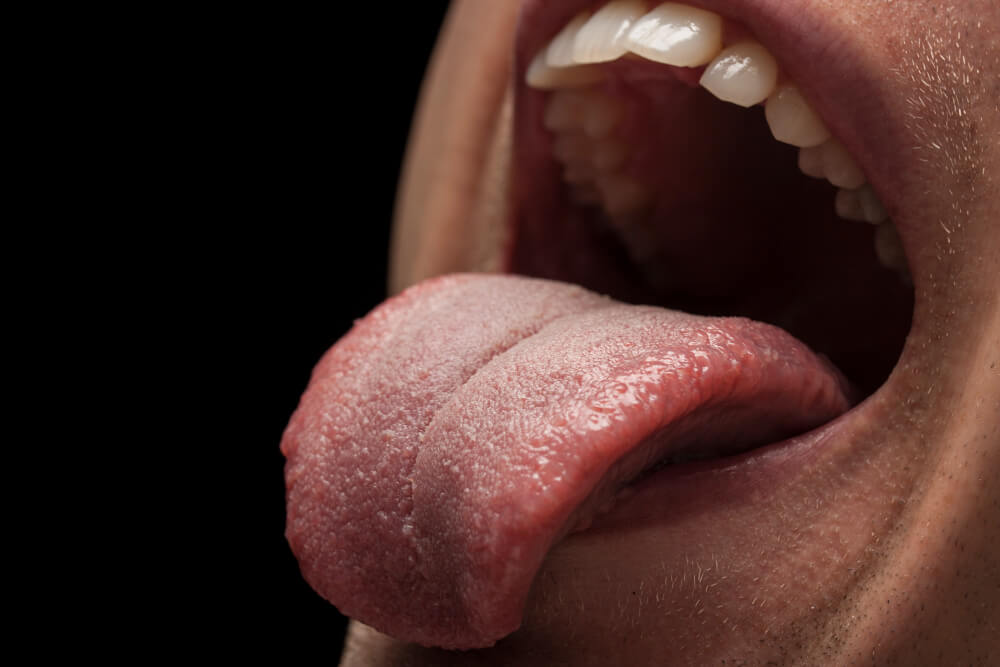
What Is Orofacial Myofunctional Therapy?
The term “orofacial myofunctional” combines two components: “oro” refers to the mouth, “facial” refers to the face, and “myofunctional” refers to the muscles and their functions. The therapy is grounded in the understanding that the proper alignment, coordination, and strength of the orofacial muscles are essential for optimal oral and facial function.
The goals
The goals of orofacial myofunctional therapy can vary depending on the individual’s needs, but commonly include:
Correcting improper tongue posture: The position of the tongue at rest and during swallowing plays a crucial role in oral and facial development. Therapy focuses on training individuals to position the tongue correctly to promote proper swallowing patterns and prevent issues such as tongue thrust.
Improving breathing patterns: Certain muscle imbalances or anatomical factors can lead to improper breathing through the mouth instead of the nose. Orofacial therapy aims to restore nasal breathing, which is essential for optimal oxygenation, filtration, and conditioning of the air.
Enhancing speech clarity: Orofacial muscle dysfunctions can affect speech production, leading to issues like lisps, articulation problems, or difficulty with certain sounds. Therapy focuses on improving muscle control and coordination for clear and accurate speech.
Optimizing swallowing function: Correct swallowing involves a coordinated movement of various muscles and structures. Orofacial therapy helps identify and address any swallowing difficulties, such as swallowing disorders (dysphagia) or improper tongue-thrust patterns.
Promoting balanced facial growth and development: Orofacial muscle imbalances can impact the growth and development of the face and jaw. By addressing these issues early on, orofacial myofunctional therapy can help optimize facial aesthetics, reduce the need for orthodontic interventions, and enhance overall oral health.
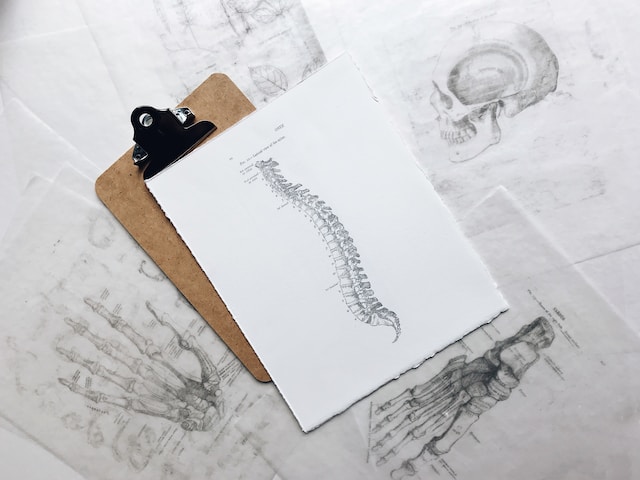
How Is Orofacial Myofunctional Therapy Related To Body Posture?
Orofacial myofunctional therapy is closely related to posture, as it recognizes the important connection between the muscles of the orofacial region and the overall posture of the body. Proper posture is essential for optimal muscle function, including the muscles involved in oral and facial movements.
Muscle Imbalances: Poor posture can lead to muscle imbalances throughout the body, including the muscles of the face, mouth, and neck. These imbalances can contribute to orofacial muscle dysfunctions and affect functions such as speech, swallowing, and breathing. Orofacial myofunctional therapy aims to identify and address these muscle imbalances to restore proper function and alleviate associated symptoms.
Postural Awareness: Orofacial myofunctional therapists emphasize the importance of postural awareness. They educate individuals about maintaining proper body alignment during various activities, such as sitting, standing, and using electronic devices. By promoting postural awareness, individuals can make conscious adjustments and develop healthier postural habits, which positively impact overall muscle function.
Muscle Training and Retraining: Orofacial myofunctional therapy includes exercises and techniques to strengthen and retrain the muscles involved in oral and facial movements. By targeting specific muscle groups, individuals can develop better muscle control and support for the spine, neck, and head, thereby improving overall posture.
Breathing and Posture: Proper body posture and efficient breathing go hand in hand. Orofacial myofunctional therapy emphasizes nasal breathing, which promotes better oxygenation and overall health. Nasal breathing also helps maintain a more upright posture, as it encourages the natural alignment of the head, neck, and spine. By addressing breathing patterns and promoting nasal breathing, the therapy supports the synergy between posture and respiration.
Collaboration with Other Professionals: Orofacial myofunctional therapists often collaborate with other healthcare professionals, such as body workerswho specialize in postural correction. This interdisciplinary approach ensures a comprehensive assessment and treatment plan that addresses both orofacial muscle dysfunctions and overall body posture. By working together, these professionals can provide holistic care to individuals with complex postural issues.
Jaw, Breathing & Oral Function Specialist.

Klara Mach
Frequently asked questions
Find answers to FAQs about our services, sessions and general info here:
Orofacial myofunctional therapy can help with a wide range of conditions affecting the muscles and function of the mouth, face, and airway. These include tongue thrust, open bite, mouth breathing, snoring and sleep apnoea, TMJ disorders, speech and articulation issues, swallowing dysfunction, and challenges with facial development in children. It's also frequently used alongside orthodontic treatment to support more stable, long-lasting results.
Yes. Therapy is suitable for individuals of all ages, from young children through to adults. Addressing orofacial muscle dysfunction early — typically from around age 4 upwards — can have a significant impact on a child's facial growth, dental alignment, and breathing patterns, often reducing the need for more invasive interventions later in life.
Treatment length depends on the condition being addressed, the client's age, and how consistently the prescribed exercises are practised at home. Most programmes run between 6 and 12 months, with sessions spaced a few weeks apart. Daily home practice is essential — the in-clinic sessions guide the work, but the muscle re-patterning happens through your daily routine.
Yes. A growing body of clinical evidence shows that myofunctional exercises can reduce the severity of snoring and obstructive sleep apnoea by strengthening the tongue and airway muscles, encouraging nasal breathing, and improving tongue posture. While it isn't a replacement for medical treatment in severe cases, it's increasingly used as a complement to CPAP, oral appliances, and ENT care.
Your first appointment is a thorough assessment of tongue posture, breathing patterns, swallowing function, oral habits, and overall facial muscle tone. From there, you'll receive a personalised programme of targeted exercises designed to retrain the muscles of the mouth, tongue, and face. Follow-up sessions track your progress, refine your exercises, and address any habits — such as mouth breathing or tongue thrusting — that may be holding back results.
There's some overlap, but the two disciplines have different focuses. Speech therapy primarily addresses speech production, language, and communication. Orofacial myofunctional therapy works on the underlying muscle function and posture of the tongue, lips, and face — which can affect speech but also breathing, swallowing, sleep, and facial development. The two can complement each other, and clients often see better speech outcomes when muscle dysfunction is addressed first.
No referral is needed. You can book a consultation directly through the website or by phone. That said, we work closely with dentists, orthodontists, ENT specialists, and osteopaths — so if you've been recommended myofunctional therapy by another practitioner, bring any relevant notes or imaging to your first session.